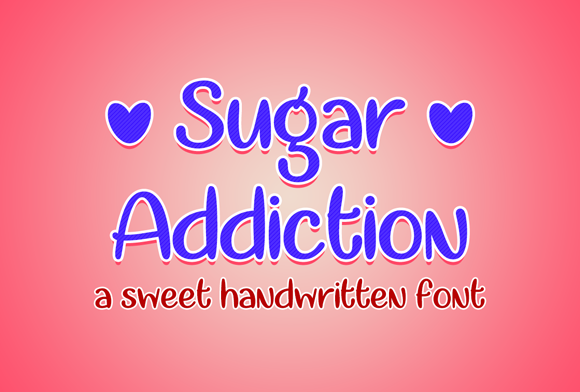
Sugar Addiction: Understanding the Science, Signs, and Strategic Responses
“Sugar addiction” is not a formal clinical diagnosis in the DSM-5 or ICD-11—but it’s a term increasingly used by researchers, clinicians, educators, and everyday people to describe a compelling, often cyclical pattern of intense craving, loss of control, tolerance, and withdrawal-like symptoms tied specifically to added sugars. Unlike occasional sweet indulgence, sugar addiction reflects neurobiological adaptations that mirror those seen in substance-use disorders—making it both biologically plausible and socially urgent to understand.
The Neurochemical Reality Behind the Craving
When we consume foods high in rapidly absorbed sugars—think soda, pastries, breakfast cereals, or even seemingly “healthy” smoothies—the brain responds with a surge of dopamine in the nucleus accumbens, the central hub of the reward pathway. This isn’t inherently dangerous; dopamine release also follows laughter, learning, or social connection. But unlike those experiences, sugar delivers an unnaturally concentrated, rapid, and predictable hit—especially when combined with fat and salt (as in ultra-processed foods). Over time, repeated exposure can downregulate dopamine receptors, leading individuals to seek more sugar for the same effect—a hallmark of tolerance.
Animal studies reinforce this: Rats given intermittent access to sugar show bingeing behavior, opioid receptor activation, and measurable withdrawal symptoms—including anxiety, tremors, and reduced motivation—when sugar is removed. Human neuroimaging research shows overlapping brain activation patterns between sugar-rich food cues and drugs like nicotine or cocaine in susceptible individuals. Importantly, vulnerability varies: genetics, early-life nutrition, chronic stress, sleep disruption, and gut microbiome composition all modulate risk.
Recognizing Patterns Beyond Willpower
Labeling someone as “lacking discipline” obscures the physiological underpinnings at play. Instead, consider these evidence-informed behavioral markers—particularly when they occur together and persist over weeks or months:
- Preoccupation: Frequent mental rehearsal of sugary foods—even during meals or while planning grocery lists.
- Loss of control: Eating larger amounts than intended, or continuing despite physical discomfort (e.g., nausea, fatigue).
- Distress upon restriction: Irritability, brain fog, headaches, or low mood within 24–72 hours of cutting back—distinct from general dietary adjustment.
- Functional interference: Avoiding social events due to fear of exposure to sweets, hiding consumption, or sacrificing sleep or work focus to obtain or recover from sugar intake.
- Repeated unsuccessful attempts: Cycles of strict restriction followed by rebound binging—not due to moral failure, but because severe restriction amplifies neural reward sensitivity.
These signs gain weight when contextualized: A teacher who relies on candy bars between classes to combat afternoon fatigue may be responding to blood glucose instability—not laziness. A software engineer reaching for energy drinks after midnight coding sessions may be self-medicating circadian misalignment. The behavior is adaptive in the short term—and maladaptive over time.
Why “Just Eat Less Sugar” Rarely Works Long-Term
Public health messaging often defaults to simple directives: “Reduce added sugar.” While nutritionally sound, this approach overlooks three critical realities:
- Ubiquity: Added sugars appear in over 74% of packaged foods—from salad dressings and bread to ketchup and protein bars. Elimination requires label literacy, cooking fluency, and time—resources unequally distributed across socioeconomic groups.
- Physiological priming: High-glycemic meals trigger insulin spikes, followed by reactive hypoglycemia—dropping blood sugar below baseline and triggering hunger, irritability, and intense carbohydrate cravings 90–120 minutes later.
- Psychosocial reinforcement: Sugar is culturally embedded in celebration, comfort, reward, and hospitality. Refusing cake at a birthday party—or declining a colleague’s homemade cookies—can carry subtle social costs, especially in workplaces or communities where food is central to belonging.
This is why sustainable change hinges less on willpower and more on systems-level awareness: understanding personal triggers (stress? boredom? circadian dip?), building non-sugar-based rituals (a walk, herbal tea, 5 minutes of breathwork), and redesigning environments (keeping fruit visible, storing sweets out of sight, choosing unsweetened yogurt with berries instead of flavored varieties).
Practical Strategies Grounded in Evidence
No single protocol fits all—but research points to several high-leverage, low-barrier approaches:
Stabilize Blood Glucose First
Start meals with protein, fiber, and healthy fats before adding carbohydrates. A study in The American Journal of Clinical Nutrition found that eating almonds before a high-carb meal reduced postprandial glucose spikes by 30% and subsequent cravings by nearly half. Similarly, vinegar (1 tbsp in water before meals) improves insulin sensitivity—especially valuable for those with prediabetes or PCOS.
Reframe “Withdrawal” as Neural Reset
What feels like suffering in days 3–5 of reduced sugar intake is often the brain recalibrating dopamine sensitivity. Symptoms typically peak around day 4 and subside significantly by day 10–14. Tracking mood, energy, and sleep—not just cravings—reveals objective improvement earlier than subjective perception allows.
Leverage Sensory Substitution
Cinnamon, vanilla extract, roasted sweet potatoes, ripe bananas, or dates offer natural sweetness without the metabolic cost. Texture matters too: Crunchy apple slices with almond butter satisfy oral fixation better than soft, homogenous candy. For creators and designers, this principle extends metaphorically—Sugar Addiction, the handlettered font, embodies contrast and organic rhythm. Its uneven baselines, variable stroke weights, and playful ligatures echo how real-world solutions thrive on variation—not uniformity.
Who Benefits Most From a Structured Approach?
While anyone consuming >25g of added sugar daily (the AHA’s upper limit for women, 36g for men) may benefit, certain groups show heightened responsiveness to targeted support:
- Educators and caregivers: Modeling balanced relationships with food directly shapes children’s developing taste preferences and reward circuitry. Teaching “sugar literacy”—not restriction—builds lifelong agency.
- Healthcare professionals: Screening for sugar-related patterns (e.g., “Do you feel shaky or irritable if you skip a meal?”) uncovers metabolic dysfunction earlier than fasting glucose alone.
- Content creators and marketers: Recognizing how visual language influences perception—like using Sugar Addiction’s warm, approachable letterforms for wellness campaigns—creates resonance without reinforcing shame-based narratives.
- Business owners in food service: Offering naturally sweetened options (e.g., maple-sweetened granola, blackberry compote on oatmeal) meets demand while supporting customer metabolic health—without compromising perceived value.
Emerging Research and Nuanced Considerations
Science continues to refine our understanding. Recent work highlights distinctions between types of sugar: fructose metabolism occurs almost entirely in the liver and is strongly linked to fatty liver disease and insulin resistance, whereas glucose is metabolized systemically. Yet whole fruits—with their fiber, polyphenols, and water content—do not produce the same effects as isolated fructose in soda. Context matters more than chemistry alone.
Also gaining traction is the “food reward hypothesis”: It’s not sugar *per se*, but the combination of sugar + fat + salt + texture + aroma + convenience that hijacks homeostatic regulation. A plain glucose tablet rarely triggers bingeing; a glazed donut does. This explains why ultra-processed foods dominate addiction-related research—not because sugar is uniquely toxic, but because modern food engineering exploits deep-seated survival instincts.
Importantly, recovery isn’t about perfection. Studies tracking long-term adherence show that people who adopt flexible, non-dogmatic approaches—such as the “80/20 rule” or mindful eating practices—maintain improvements at twice the rate of those pursuing rigid abstinence. Self-compassion, not self-punishment, correlates with sustained change.
Designing Environments That Support Metabolic Health
Individual action gains power when paired with environmental design. Consider these real-world applications:
- A university cafeteria replaces sugary beverages in prominent coolers with infused waters and sparkling options—and places fresh fruit at eye level near checkout lines. Result: 22% drop in soda sales over one semester.
- A pediatric clinic integrates a 90-second “sugar screen” into well-child visits: “How many sweetened drinks does your child have daily?” Paired with brief counseling, it increases parental awareness without stigma.
- A graphic designer chooses Sugar Addiction for a community workshop poster—not to glamorize excess, but to signal warmth, accessibility, and human-centered thinking. Its hand-drawn authenticity invites participation, unlike sterile, clinical fonts that can unintentionally convey judgment.
These shifts recognize that behavior emerges from interaction—not isolation. We don’t “have” sugar addiction; we develop patterns within ecosystems shaped by biology, policy, marketing, time poverty, and cultural meaning. Effective response therefore requires layered strategies: personal insight, relational support, organizational redesign, and systemic advocacy.
Toward Integration, Not Elimination
The goal isn’t demonizing sweetness—it’s reclaiming agency. Honey in tea, dark chocolate after dinner, a slice of sourdough with jam: these can coexist with metabolic resilience when decoupled from compulsion and distress. What changes is the relationship—not the substance.
For researchers, this means studying not just mechanisms, but moderators: Which interventions reduce disparities in sugar-related health outcomes? For educators, it means teaching food systems literacy alongside nutrition science. For creators, it means using tools like Sugar Addiction to communicate complexity with clarity and kindness—not oversimplification or alarm.
Ultimately, understanding sugar addiction expands our empathy—for ourselves and others. It reminds us that behavior is data, not destiny. Every craving observed, every alternative chosen, every environment reshaped contributes to rewiring not just neural pathways, but cultural ones too.